
Leading Products For Disability Remodelings To Enhance Accessibility
Explore top-rated solutions designed to improve safety, comfort, and independence in disability remodeling projects.
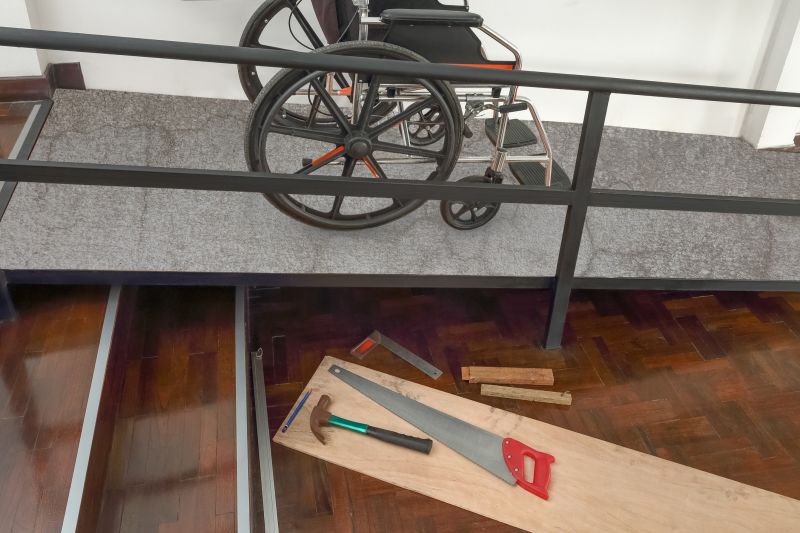 Remodeling spaces to accommodate disabilities requires careful selection of products that prioritize safety, accessibility, and comfort. These modifications can significantly improve independence and quality of life for individuals with mobility challenges or other impairments. When planning a disability-friendly remodel, it is essential to consider a variety of product options that cater to different needs, from mobility aids to accessible fixtures. Thoughtful integration of these products ensures that the remodeled space is both functional and welcoming.
Top Overall Option
Adjustable Support Rail System
An adjustable support rail system provides versatile safety and support options in key areas such as bathrooms and hallways. These rails can be customized in length, height, and positioning to suit individual needs, offering stability without compromising space. Easy to install and maintain, they are suitable for various environments and can be adjusted as needs evolve.
Types of Products For Disability Remodelings
Grab Bars and Handrails
Secure and sturdy bars installed in bathrooms, hallways, or stairways to assist with balance and mobility.
Wheelchair Ramps
Inclined surfaces designed to provide smooth access over steps or uneven terrain, facilitating wheelchair mobility.
Accessible Shower Seats
Waterproof seats that allow safe and comfortable bathing for individuals with limited mobility.
Lowered Countertops and Sinks
Counter and sink heights adjusted for wheelchair accessibility, enabling easier use and reach.
Lever-Style Door Handles
Easier-to-operate door handles that require less grip strength, improving accessibility.
Touchless Faucets
Faucets activated by sensors to reduce physical effort and improve hygiene.
Adjustable Bed Frames
Beds with customizable height and positioning options for easier transfers and comfort.
Wide Doorways and Hallways
Structural modifications to increase space for wheelchair or walker navigation.
Non-slip Flooring
Floor surfaces designed to reduce slipping hazards and improve safety.
Visual and Hearing Assistance Devices
Tools such as visual alarms or amplified sound systems to aid sensory impairments.
Accessible Kitchen Cabinets
Lowered or pull-out shelves to facilitate easy access for wheelchair users.
Transfer Aids
Devices like transfer boards or lifts that assist with safe movement between surfaces.
Reacher Grabbers
Extendable tools that help pick up or reach items without bending or stretching.
Portable Stair Lifts
Motorized lifts that assist with navigating stairs safely and comfortably.
Bathroom Accessibility Kits
Comprehensive packages including rails, seats, and mats to enhance bathroom safety.
Popular Choices
Commonly used in bathrooms and hallways to provide support and stability.
Frequently selected for improving outdoor and indoor accessibility.
Popular for safe bathing, especially in limited mobility scenarios.
Widely used for ease of door operation, reducing grip strength requirements.
Increasingly chosen for hygiene and convenience in accessible bathrooms.
Often selected for customizable comfort and ease of transfer.
Structural modifications to accommodate wheelchairs and walkers.
Popular safety feature to prevent slips and falls.
All-in-one solutions for improving bathroom safety and accessibility.
Devices used to assist with safe transfers between beds and chairs.
Commonly used to extend reach and reduce strain during daily tasks.
Popular for multi-level homes to facilitate stair navigation.
Devices that provide visual cues for alarms or notifications.
Frequently chosen for kitchen modifications to improve usability.
Includes walkers, canes, and crutches for daily mobility support.
The process involves evaluating the specific requirements of the individual, such as mobility restrictions, sensory sensitivities, or other health considerations. This assessment helps in choosing appropriate products that facilitate ease of movement, reduce hazards, and promote safety. It is also important to consider the overall layout to allow for smooth navigation, especially in tight spaces or high-traffic areas.
Accessibility products come in many forms, including adjustable fixtures, safety rails, and specialized furniture. These items can be customized or selected from a range of variations to fit different environments and preferences. Proper installation and adherence to accessibility standards are essential to maximize the benefits of these modifications. With the right combination of products, a remodel can create a more inclusive and adaptable living space, supporting independence and comfort for years to come.
Key Buying Considerations
- Assess specific mobility and safety needs before selecting products.
- Ensure compatibility with existing space and layout dimensions.
- Prioritize products that are adjustable to accommodate changing needs.
- Check for ease of installation or professional installation requirements.
- Consider the weight capacity and durability of support products.
- Look for non-slip and safety features to prevent accidents.
- Evaluate the ease of operation, especially for users with limited strength.
- Verify compliance with accessibility standards and regulations.
- Choose products that are easy to clean and maintain for hygiene purposes.
- Think about the aesthetic integration with your current decor.
- Assess the range of motion and reachability for fixtures and controls.
- Determine whether the products can be easily transferred or relocated if needed.
- Review user feedback or ratings for insights on usability and reliability.
- Consider budget constraints while balancing quality and safety features.
- Consult with a professional for customized solutions when necessary.